From BMS to Brain: How XS4_IOT Adds AI Intelligence to Any Lithium Battery Pack
Every lithium-ion EV battery sold in India today ships with a Battery Management System (BMS). The BMS is essential — it prevents overcharging, manages cell balancing, and enforces safety cutoffs. But here is what most EV OEMs will not tell you: your BMS is functionally mute. It protects the battery but tells nobody anything useful about it.
No cloud connectivity. No predictive analytics. No remote diagnostics. No fleet visibility. The BMS keeps the battery alive; it does nothing to help you manage it, optimise it, or monetise the intelligence locked inside it.
The global EV BMS market is expected to reach USD 24.9 billion by 2033, growing at 19.4% CAGR — driven by AI, IoT, and cloud integration in battery systems. |
This is the problem XS4_IOT was engineered to solve. Designed by Xaptronics as the evolution of their XapSync platform, XS4_IOT is a next-generation embedded IoT and AI analytics device that sits seamlessly inside lithium-ion battery packs and electric vehicles — integrating with any existing BMS via CAN Bus, MODBUS, or RS485 to unlock real-time visibility, intelligent diagnostics, and predictive insights that the BMS alone cannot provide.
What Stays Silent Without XS4_IOT
Consider a mid-sized EV logistics company operating 200 delivery bikes across Hyderabad. Each bike has a lithium pack with a BMS. But without IoT connectivity, the operations manager has zero insight into: which bikes have batteries degrading faster than expected, which drivers are deep-discharging packs through aggressive riding, which vehicles are outside their permitted geofence at 11 PM, or whether a battery showing 90% SoC this morning will actually complete an afternoon delivery cycle.
The EU’s Battery Regulation now requires digital battery passports capturing real-time health and carbon footprint data by 2026, signalling that IoT-connected BMS will become a global compliance requirement, not just a competitive advantage.
The XS4_IOT Architecture: Simple Integration, Deep Intelligence
What makes XS4_IOT technically elegant is its BMS-agnostic integration model. Unlike proprietary systems that require you to buy a specific BMS from the same vendor, XS4_IOT connects to any existing BMS via CAN Bus, MODBUS, or RS485 — with in-house Xaptronics customisation for edge cases. This makes it a retro-fit solution for existing fleets as well as an OEM-embedded solution for new builds.
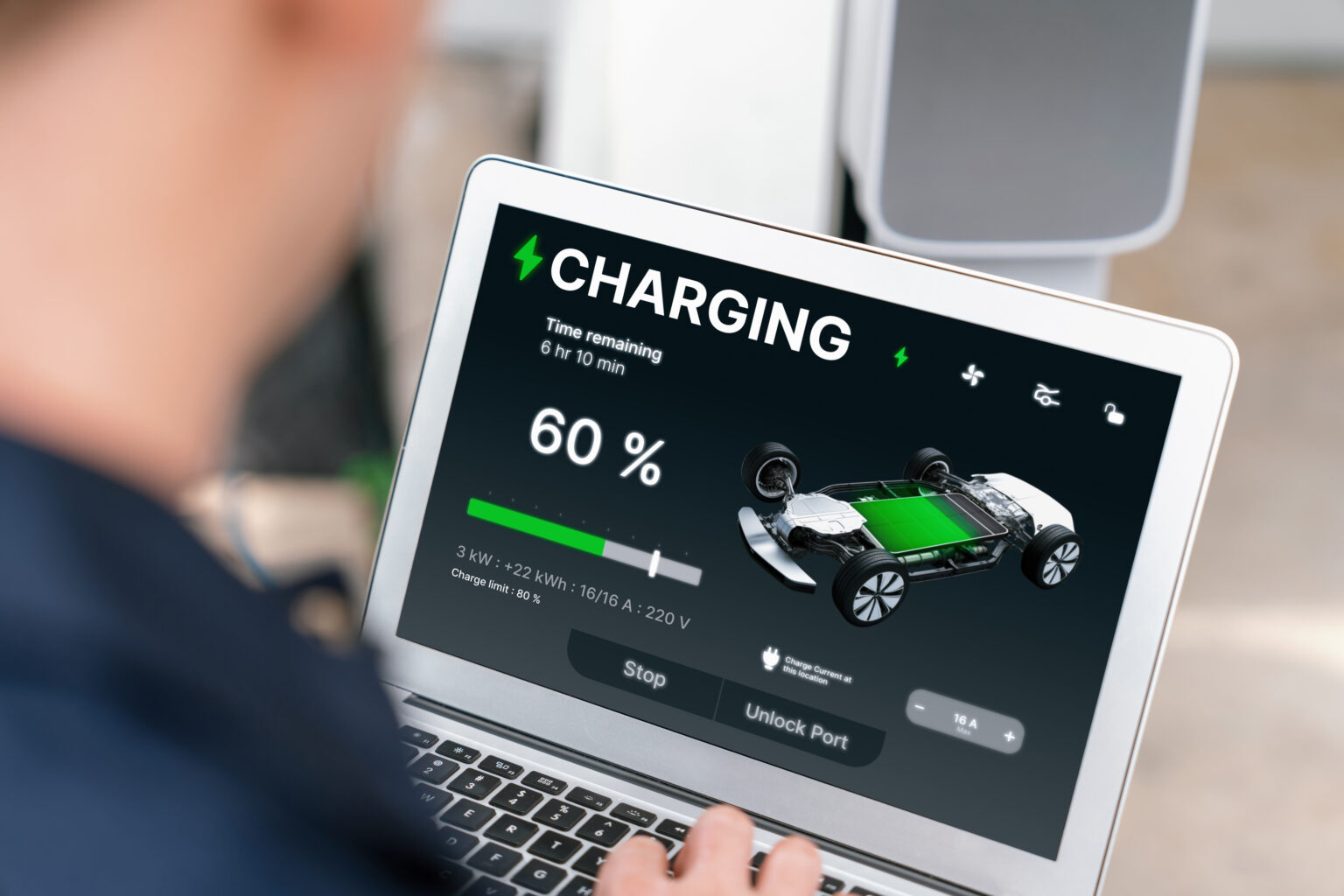
Once installed, XS4_IOT captures a comprehensive data stream: State of Charge (SoC), State of Health (SoH), battery pack voltage, charging and discharging currents, temperature, GPS coordinates, vehicle speed, error codes, trip data, and fault flags. All of this transmits via BLE, Wi-Fi, or 4G GSM to Xaptronics’ secure, India-based cloud platform using encrypted MQTT and HTTPS protocols.
India’s BMS market is projected to grow from USD 278 million in 2024 to USD 1,224 million by 2033 — a 17.9% CAGR — driven by IoT integration and AI analytics. |
AI That Prevents Failures Before They Happen
The intelligence layer is where XS4_IOT separates itself from basic telematics devices. The cloud AI model ingests historical charge-discharge curves, temperature drift, SoH decline rates, and usage patterns to generate predictive maintenance alerts — warning fleet managers days or weeks before a battery failure occurs.
Beyond maintenance prediction, XS4_IOT enables driver behaviour monitoring (aggressive acceleration, charging misuse), geofencing with real-time alerts, remote vehicle ON/OFF control via GPIO triggers, and trip log generation for every journey. The fleet management dashboard gives operations teams a live view of every vehicle — battery health, location, speed, and anomaly flags — at a glance.
The Roadmap: Intelligence Moving to the Edge
Xaptronics’ XS4_IOT product roadmap moves AI processing from cloud to edge — enabling real-time on-vehicle decisions without latency. Upcoming releases include inbuilt cell balancing and monitoring (no secondary BMS required), Digital Twin implementation for individual battery packs, real-time vehicle driving assistance on the dashboard, and vehicle-to-vehicle communication. This trajectory aligns with IDC’s projection that over 40% of enterprise data in Asia Pacific will be processed at the edge by 2025.
The Competitive Moat
XS4_IOT’s competitive position is strong precisely because it combines hardware, firmware, and a cloud platform in one integrated solution — while remaining agnostic to BMS vendor and battery chemistry. Competing solutions either lock you into their BMS ecosystem or offer telematics without AI diagnostics. Standard BMS units offer neither cloud connectivity nor fleet management tools.
For EV OEMs, the proposition is even more compelling: embed XS4_IOT and offer your customers a premium connected battery experience — real-time mobile app, health reports, predictive maintenance alerts — as a value-added service layer on top of your vehicle. White-label and OEM licensing options are available through Xaptronics’ partnership model.
▶ CALL TO ACTION |