
The ₹600 Billion Mobility Market and the Intelligence Gap Nobody Is Talking About
India’s mobility sector is undergoing its most dramatic transformation since the automobile itself arrived on Indian roads. Electric vehicles are no longer a novelty — they are a strategic industrial priority. The Indian EV battery market, valued at USD 2.71 billion in 2025, is growing at a 21.7% CAGR toward USD 15.9 billion by 2034. EV sales jumped 16.9% in 2025 alone, crossing 1.97 million units including 1.15 million electric two-wheelers.
India’s mobility market is valued at USD 600 billion, with 6 million+ passenger vehicles and EV penetration at approximately 8% overall. India’s EV sales grew 16.9% in 2025, reaching 1.97 million units. |
Government programmes — FAME, PM E-DRIVE (allocating USD 1.3 billion to EV infrastructure), and the National Electric Mobility Mission Plan — are structurally accelerating adoption. Battery gigafactories are being commissioned. Ola Electric, Exide Energy, and Reliance New Energy are racing to build domestic cell manufacturing capacity. The infrastructure is being laid.
But here is the paradox at the centre of this boom: the smarter India’s EVs become, the more dependent they are on intelligence infrastructure that most operators do not yet have.
Why More EVs Without Intelligence Is Actually a Liability
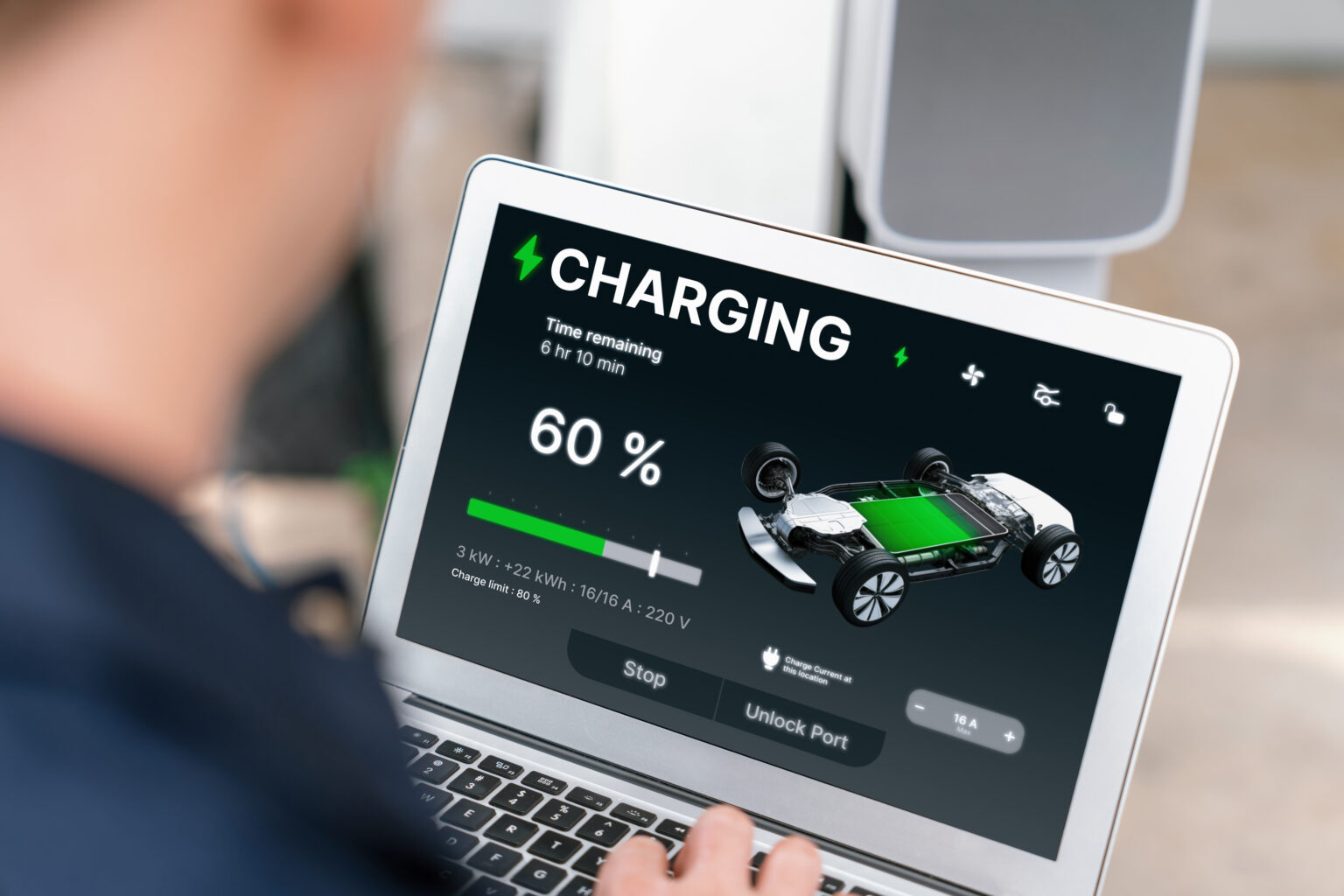
An electric vehicle is fundamentally a battery on wheels. The battery accounts for 30–40% of the vehicle’s total cost. Its health, longevity, and performance are the single biggest driver of EV economics. Yet the overwhelming majority of India’s 2+ million EVs operate without any real-time battery telemetry, predictive analytics, or cloud-connected fleet management.
This creates a specific and costly problem pattern: batteries fail unpredictably, replacement costs are absorbed without data to contest them under warranty, charging infrastructure is used inefficiently, and fleet operators have no empirical basis to negotiate insurance premiums or driver accountability.
India’s BMS market grows at 17.9% CAGR from USD 278 million in 2024 to USD 1.224 billion by 2033 — driven specifically by the need for real-time monitoring and predictive analytics. |
The Xaptronics Answer: Intelligence at Every Layer
Xaptronics has built its product portfolio around a single thesis: connected intelligence at every layer of the battery-vehicle-fleet stack. XapSync 4.0 addresses lead-acid and Li-ion fleets already on the road. XS4_IOT addresses new EV builds and retrofits at the pack level. IOTnarad extends intelligent connectivity to the industrial and infrastructure ecosystems that support mobility — from charging stations to manufacturing facilities.
Together, they form a complete intelligence layer for the USD 600 billion mobility market — one that is founded in Hyderabad, hosted on Indian cloud infrastructure, and led by a founding team with over 60 years of combined industry experience across enterprise technology, embedded systems, and IoT.
Why Indian-Built Matters
In a landscape where data sovereignty is increasingly important — and where the EU is already mandating digital battery passports by 2026 — Xaptronics’ India-based cloud architecture is not just a feature. It is a strategic advantage. Data stays within India’s borders, complies with Indian data protection norms, and ensures that fleet intelligence is not subject to geopolitical data risks from foreign-hosted platforms.
For enterprise fleet operators, government EV procurement programmes, and OEM partnerships, this is a meaningful differentiator that will only grow in importance as regulatory frameworks tighten globally.
▶ CALL TO ACTION |