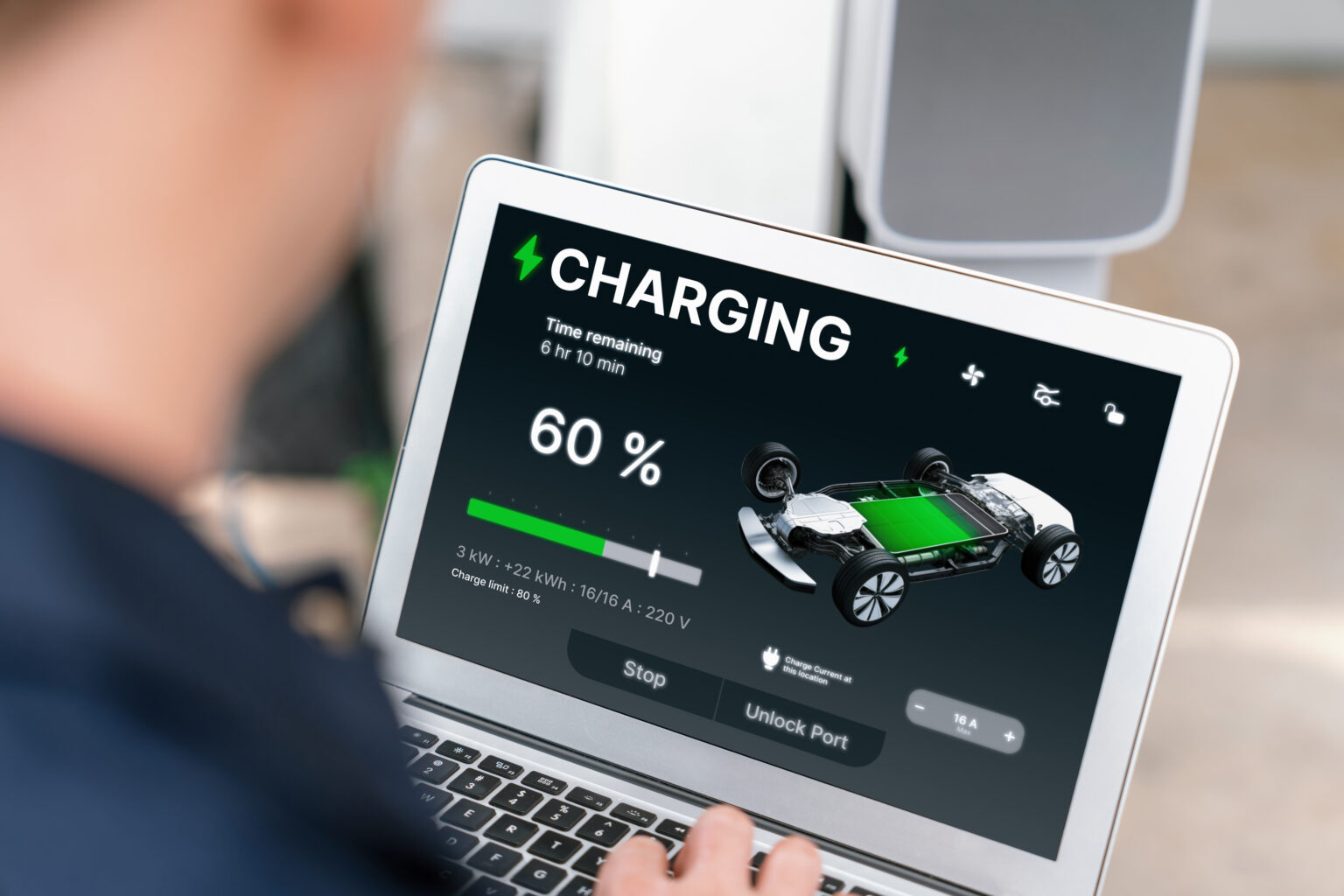
The electrification of commercial delivery, transit, and logistics fleets is accelerating globally, driven by stringent emissions regulations and corporate sustainability targets. According to the IEA Global EV Outlook, commercial electric vehicle (EV) registrations have hit historic highs year-over-year. However, for logistics managers, swapping internal combustion engines for electric drivetrains introduces a volatile financial asset to the balance sheet: the lithium-ion battery pack. Accounting for up to 40% of the total vehicle cost, maximizing the lifespan and daily efficiency of these battery systems is a core requirement for commercial fleet profitability.
The Telematics Blind Spot: Why Basic GPS Tracking Fails
Standard commercial fleet telematics solutions focus primarily on spatial positioning, driver tracking, and basic vehicle fault codes. While this data is sufficient for internal combustion engines, it creates a dangerous blind spot for commercial EVs. A fleet operator must understand the exact State of Charge (SoC), State of Health (SoH), temperature distribution, and internal balancing metrics of each vehicle’s battery pack.
Without this deep level of tracking, unoptimized depot fast-charging, driver aggression, and environmental temperature extremes will accelerate lithium plating and cell degradation. This degradation can prematurely end the useful life of the vehicle’s battery power train.
+————————————————————————–+
| Commercial EV Drivetrain |
+————————————————————————–+
| |
| [High-Speed CAN bus] | [Cell Balancing]
v v
+———————————+ +—————+
| XapSync Integrated Telematics | <——————— | Battery Pack |
+———————————+ +—————+
|
| [Cellular Uplink / Cloud Sync]
v
+————————————————————————–+
| Central Logistics Fleet Dashboard |
+————————————————————————–+
Extracting Core Data Across the Vehicle CAN bus
Modern electric vehicle architectures run their internal subsystem telemetry over highly segmented, high-speed CAN bus networks. To achieve meaningful visibility, an advanced telematics module must interface directly with the vehicle’s internal Battery Management System (BMS).
By integrating the XapSync infrastructure within a fleet’s vehicles, operations teams gain real-time, cell-level data access. XapSync intercepts and processes critical parameters running across the internal CAN bus, including:
- Cell voltage balancing profiles during high-output acceleration.
- Localized thermal escalation signatures during extreme fast-charging sessions.
- Accurate, algorithmic remaining range computations based on dynamic driver behavior and current ambient loads.
Implementation Strategies for Predictive Maintenance and Managed Charging
Armed with deep battery analytics, logistics networks can pivot from rigid scheduling to real-time, data-driven optimization. Central systems use cloud-linked XapSync telemetry to enforce smart depot charging profiles, matching grid pricing and curtailing power input if a vehicle’s battery pack exhibits thermal strain. Furthermore, predictive maintenance algorithms can flag an individual battery pack for inspection weeks before an in-transit cell short-circuit occurs, eliminating unexpected vehicle breakdowns on delivery routes.
Commercial fleet electrification is an optimization challenge centered on the vehicle’s battery. Implementing deep, protocol-level telematics tracking via solutions like XapSync allows logistics enterprises to extend battery lifespans, accurately budget asset depreciation, and maintain a highly reliable transport network