
Introduction
Electric vehicles (EVs) are central to global sustainability and decarbonization strategies. Yet, EV batteries remain a critical challenge: they are expensive, degrade over time, and can make or break the economics of electric mobility. Battery packs account for a major share of EV costs, and their performance directly influences customer adoption and fleet economics.
Predictive battery management systems (BDMS) offer a solution. By combining real-time monitoring, AI-powered analytics, and preventive alerts, these systems can extend battery lifespan, improve safety, and reduce total cost of ownership.
The Battery Cost & Degradation Challenge
- According to Goldman Sachs Research, average global EV battery prices declined from $153/kWh in 2022 to $149/kWh in 2023 and are expected to fall to $80/kWh by 2026. Falling costs make EVs more competitive, but only if batteries remain healthy and reliable.
🔗 Source: https://www.goldmansachs.com/insights/pages/electric-vehicle-battery-prices-are-expected-to-fall-almost-50-percent-by-2025.html - Gartner estimates that batteries account for 30–40% of the cost of an EV, making their efficiency and lifespan a central factor in vehicle economics.
🔗 Source: https://www.reuters.com/business/autos-transportation/evs-will-be-cheaper-produce-than-gas-powered-vehicles-by-2027-gartner-says-2024-03-07
Battery degradation results from factors like deep discharge, frequent fast charging, and overheating. Left unmanaged, this leads to range loss, reduced performance, and premature replacement.
Predictive Battery Management
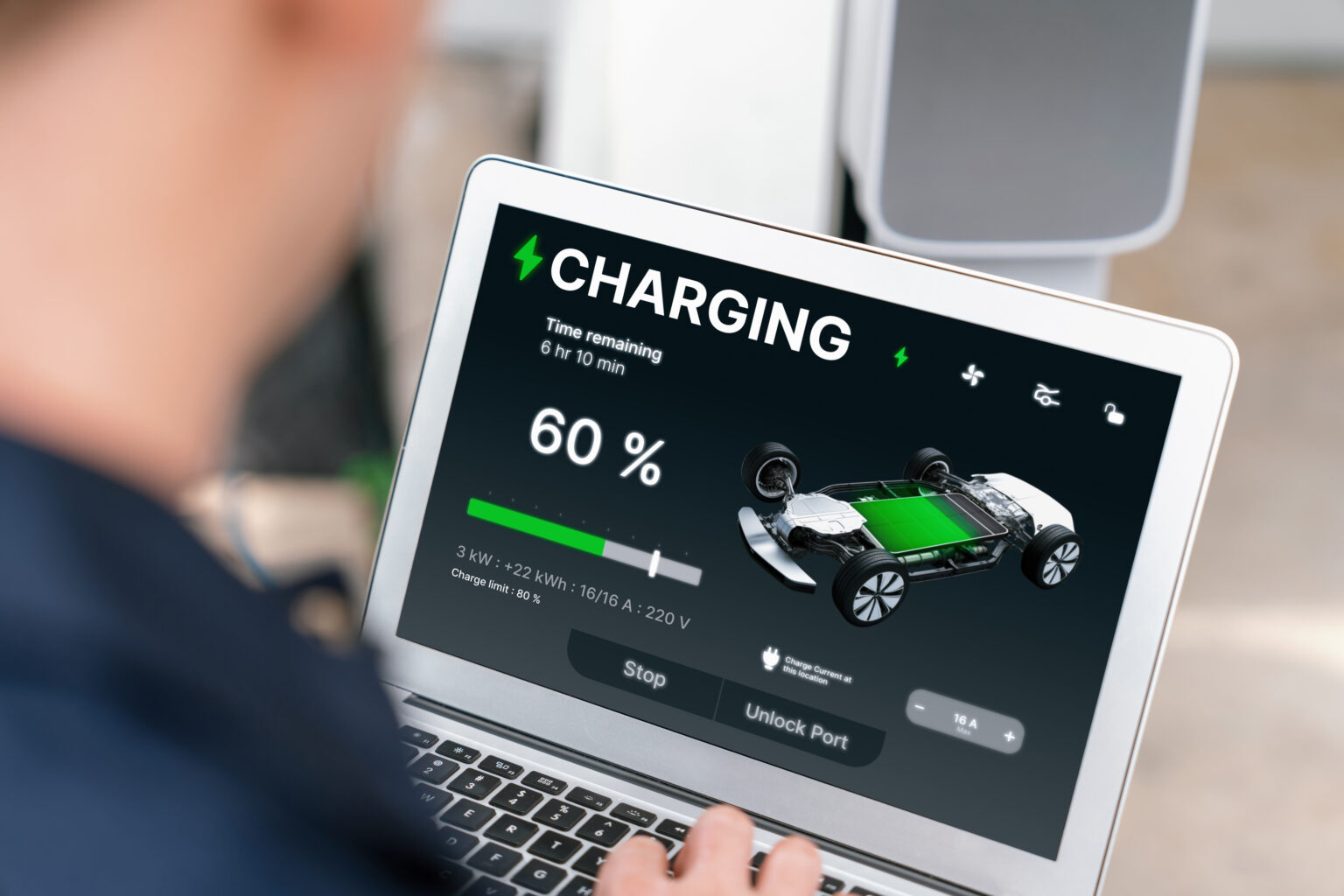
Predictive battery management combines data capture (voltage, current, SoC, SoH, temperature) with AI/ML models to forecast degradation or failure. Unlike scheduled preventive maintenance, predictive systems dynamically adapt to actual conditions.
Key benefits include:
- Early detection of anomalies such as thermal issues or voltage imbalance.
- Optimized charging and discharging cycles.
- Reduction of unplanned downtime and costly failures.
- Longer battery lifespan and better warranty compliance.
Evidence & Statistics
- Deloitte notes that poor maintenance strategies can cut an asset’s productive capacity by 5–20%.
🔗 Source: https://www2.deloitte.com/us/en/pages/manufacturing/articles/smart-factory-predictive-maintenance.html - Predictive maintenance can reduce maintenance costs by up to 40% and downtime by 50%, while increasing equipment life by 20–40%.
🔗 Source: https://worktrek.com/blog/predictive-maintenance-statistics - A study published on TechRxiv highlights that predictive maintenance with AI and IoT can boost uptime by 10–20%, proving its value across industrial sectors.
🔗 Source: https://www.techrxiv.org/articles/preprint/Application_of_Predictive_Maintenance_in_Manufacturing_with_the_Utilization_of_AI_and_IoT_Tools/1251882
How Xaptronics Delivers: XapSync 4.0
At Xaptronics, our Battery Data Management System (BDMS), particularly XapSync 4.0, is designed to integrate AI, IoT, and cloud analytics for advanced predictive maintenance.
- Real-Time Monitoring: Collects continuous data on SoC, SoH, SoP, voltage, current, and temperature.
- Predictive Alerts: Identifies unsafe conditions like overheating, deep discharge, or overload, and issues alerts.
- Cloud Analytics: Transmits data securely to cloud platforms for fleet-wide visibility.
- Safety Features: Protects against overcharging, over-discharging, and short circuits.
- Fleet & OEM Dashboards: Enable operators to monitor hundreds of vehicles at once.
Use Cases
- Fleet Management
A logistics fleet uses XapSync 4.0 across 200 EVs. Predictive alerts identify cell imbalance early. Maintenance teams intervene, extending pack life and reducing downtime by ~20%. - OEM Partnership
An EV manufacturer integrates BDMS into its vehicles. With real-time health tracking, it reduces warranty claims, strengthens customer confidence, and collects insights for product improvements. - Charging Infrastructure
Smart EV chargers connected with BDMS adjust charging profiles dynamically, reducing thermal stress and enhancing safety during fast charging cycles.
Business Impact
- Reduced TCO: Fewer replacements, extended lifespan.
- Higher Uptime: Predictive maintenance prevents unexpected breakdowns.
- Improved Safety: Alerts for overheating and overload protect passengers and assets.
- Operational Efficiency: AI insights streamline scheduling and resource allocation.
Capgemini Research Institute notes that AI-enabled predictive maintenance delivers 20–25% efficiency improvements across industries.
🔗 Source: https://www.capgemini.com/insights/research-library/predictive-maintenance
Challenges & Best Practices
Challenges:
- Data quality and sensor calibration.
- Integration between edge devices and cloud systems.
- Model validation and ongoing updates.
- Safety and compliance certification.
Best Practices:
- Start with pilot deployments.
- Train AI/ML models with diverse datasets.
- Integrate alerts into operational workflows.
- Scale gradually with ROI proof points.
EV batteries represent both the promise and the challenge of sustainable transportation. Without intelligent management, they risk becoming a liability. Predictive battery management powered by AI, IoT, and cloud platforms is no longer optional—it’s a necessity.
With Xaptronics’ XapSync 4.0, OEMs, fleet operators, and infrastructure providers can transform battery data into actionable insights, ensuring safer, longer-lasting, and more reliable EVs.
Explore more at www.xaptronics.com