
Introduction
Electric Vehicles (EVs) are rapidly reshaping global transportation. As EV ownership expands, so do demands on charging infrastructure. Fast, safe, reliable charging is no longer a luxury—it’s a necessity. Without smart charging, issues such as grid overload, safety risks, and inefficient energy usage become critical bottlenecks.
Globally, EV sales have grown significantly. According to Virta Global, about 17.1 million EVs were sold worldwide in 2024, a 25% year-over-year increase, with global EVs now exceeding 20% of new car sales in many regions. Virta The surge in sales is driving urgency in upgrading EV charging networks.
In this blog, we’ll explore why smart EV chargers are integral to sustainable mobility, the challenges in conventional charging infrastructure, how intelligent charging solves these, and how Xaptronics’ smart charger solutions are positioned to support this transition.
The Challenge: Conventional EV Charging & Safety Gaps
- Grid Strain & Infrastructure Bottlenecks
While more EVs means less tailpipe emissions, it also means greater demand for electricity. Charging infrastructure often lags behind EV growth. The International Energy Agency (IEA) in their Global EV Outlook 2024 points out that deployment of charging infrastructure needs to scale rapidly to support the projected number of EVs through 2035. IEA Blob Storage Without upgrades, chargers can overburden local grids, leading to reliability and safety risks. - Safety Risks
Fast charging, high currents, temperature fluctuations, and inconsistent build quality in chargers can lead to overheating, short circuits, fire hazards, and degradation of both the charger and the EV battery. - Lack of Adaptivity and Monitoring
Many conventional EV chargers are static: fixed charging rates, no feedback on battery or grid condition, limited safety mechanisms. This makes charger-battery mismatches, overcharging, or inefficient energy usage more likely. - User Experience & Reliability
For EV adoption to grow further, users need charging to be reliable, safe, fast, and accessible. Long wait times, inconsistent experiences, or safety concerns discourage potential buyers. According to a BCG report “Can OEMs Catch the Next Wave of EV Adopters?”, key user expectations for chargers include significantly reduced charging times, safety, good availability, and charging infrastructure that doesn’t make detours too long. Boston Consulting Group
What Makes a Charger “Smart”
Smart EV chargers aren’t just about delivering power. They include embedded intelligence, connectivity, and safety. Key attributes include:
- Adaptive Charging Profiles: Ability to adjust current based on battery type, SoC (State of Charge), temperature, grid conditions.
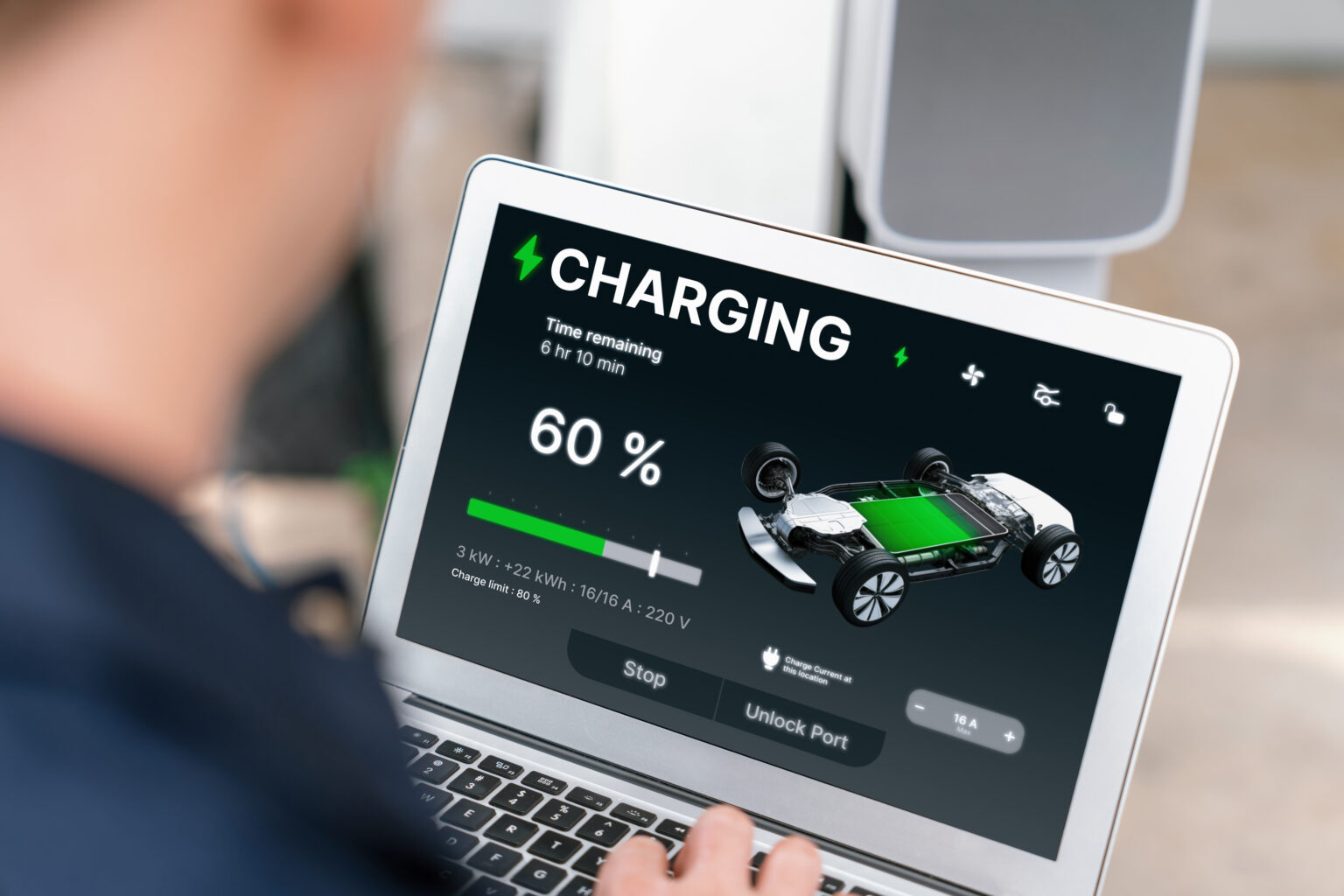
- Real-Time Monitoring: Sensors for voltage, current, temperature, etc., cloud connectivity for data logging, alerts.
- Safety Protections: Over-current, short-circuit, over-temperature protection; thermal management; compliance with safety standards.
- Communication & IoT Integration: Remote monitoring, software updates, integration with fleet dashboards, data analytics.
- User-friendly Interface & Reliability: Clear indications of charging status, user alerts, maintenance notifications.
These features together reduce risks, improve durability, and enhance EV driver experience.
Market Trends & Statistics
- IEA Global EV Outlook 2024: Reports that in many markets, EVs are already exceeding 20% of new car sales. To maintain momentum, public & private investment in charging infrastructure must increase significantly. IEA Blob Storage
- Virta Global: Globally, EV cars sold have surged to 17.1 million in 2024. China continues to dominate with ≈11 million EVs sold, a 40% year-over-year increase. Virta
- BCG Next-Wave EV Adopters: Reveals that for many potential buyers, a charging infrastructure that allows fast charging, shorter waits, good reliability, and safety features will be key decision points. Boston Consulting Group
How Xaptronics Smart Chargers Solve the Problem
Xaptronics leverages its product and engineering expertise to deliver smart charging solutions that address all the above challenges.
1.Adaptive & Safer Charging
Chargers adapt to differing battery chemistries and levels of charge, optimizing for faster charging where possible but not compromising safety.
Built-in safety features like over-current, overload protection, short-circuit detection, and thermal sensors.
2. IoT Connectivity & Real-Time Monitoring
Every charger links to the cloud; operators can monitor usage, charging sessions, fault logs, and environmental conditions.
Remote diagnostics and firmware updates ensure the charger stays current and safe.
3.Design for Reliability & Grid Compatibility
Chargers built to industry standards, rugged design, high efficiency.
Ability to integrate with grid demand response: modulating charge rate based on grid load to avoid peaks.
4.Fleet & OEM-Centric Features
For fleet operators: scheduling of charging, billing, tracking energy usage, predicting maintenance of chargers themselves.
For OEMs: custom charging profiles, integration with vehicle electronics and battery management systems to ensure safe battery behaviour.
Use Cases
Use Case 1: Fleet Operator
A delivery fleet with 500 EVs in a major city uses Xaptronics smart chargers at its depot. Chargers monitor environmental temperature and battery temperature. During midday heat, the system reduces charging current to prevent overheating. Real-time alerts notify technicians of any charger anomalies. Fleet uptime improves by ~15%, maintenance costs drop by 20%.
Use Case 2: Public Charging Stations
A chain of public fast charging stations deploys Xaptronics chargers with IoT monitoring. By collecting data from all units, the chain predicts which chargers will need maintenance, schedules preventive maintenance before breakdowns, and minimizes downtime. Users get a more reliable experience; station owners save on emergency repair costs.
Use Case 3: OEM Integration
An EV OEM partners with Xaptronics to include chargers as part of new EV sales in certain markets. These chargers communicate with the vehicle’s BDMS to ensure optimal power flow, avoid battery stress, and enable warranty monitoring. This improves customer trust, reduces warranty claims, and strengthens OEM brand reputation.
Business Impact & ROI
- Reduced Warranty/Replacement Claims: Smart safety mechanisms detect issues early, before they cause irreversible damage.
- Lower Operational Costs: Preventive maintenance, fewer breakdowns.
- Improved Customer Satisfaction & Retention: Reliable, safe, fast charging improves user experience.
- Scalability & Regulatory Compliance: Smart chargers can adapt to changing regulations and safety standards; being compliant avoids fines and increases market access.
Based on data from multiple sources, market analysts estimate that improving charging infrastructure quality (including safety, reliability, and adaptability) is a major lever in accelerating EV adoption. For example, Can OEMs Catch the Next Wave of EV Adopters? (BCG) identifies that charging experience is a top barrier perceived by many potential buyers. Boston Consulting Group
Challenges & Best Practices
Some key challenges when deploying smart charging infrastructure include:
- Upfront Cost vs. Long-Term Savings: Smart chargers cost more initially than basic chargers; buyers must see long-term benefits.
- Standards & Safety Compliance: Must conform to evolving safety, electrical, and installation codes.
- Grid Integration & Demand Management: Coordination with utilities, ensuring local grid capacity.
- Data Management & Cybersecurity: Secure communications, firmware integrity, privacy concerns.
Best practices include:
- Piloting projects first, where usage and fault conditions can be monitored.
- Designing for modularity: chargers that can be upgraded in firmware as newer safety/behavioral standards evolve.
- Embedding sensors & telemetry for predictive maintenance of chargers themselves.
- Ensuring user-friendly design and proper signage/feedback for users (charging status, error notices).
The EV revolution depends not just on the number of vehicles, but also on the quality of the charging ecosystem. Smart chargers are essential to deliver safety, reliability, and efficiency—factors that ultimately win customer trust and enable sustainable growth.
Xaptronics’ smart charging solutions bring together adaptive charging, safety, IoT connectivity, and OEM/fleet-level integration. Our chargers are designed to protect vehicles, batteries, and users, while maximizing uptime and performance.
Want to see what smarter charging looks like for your fleet, charging station, or EV business? Visit www.xaptronics.com or contact us for a demo.